


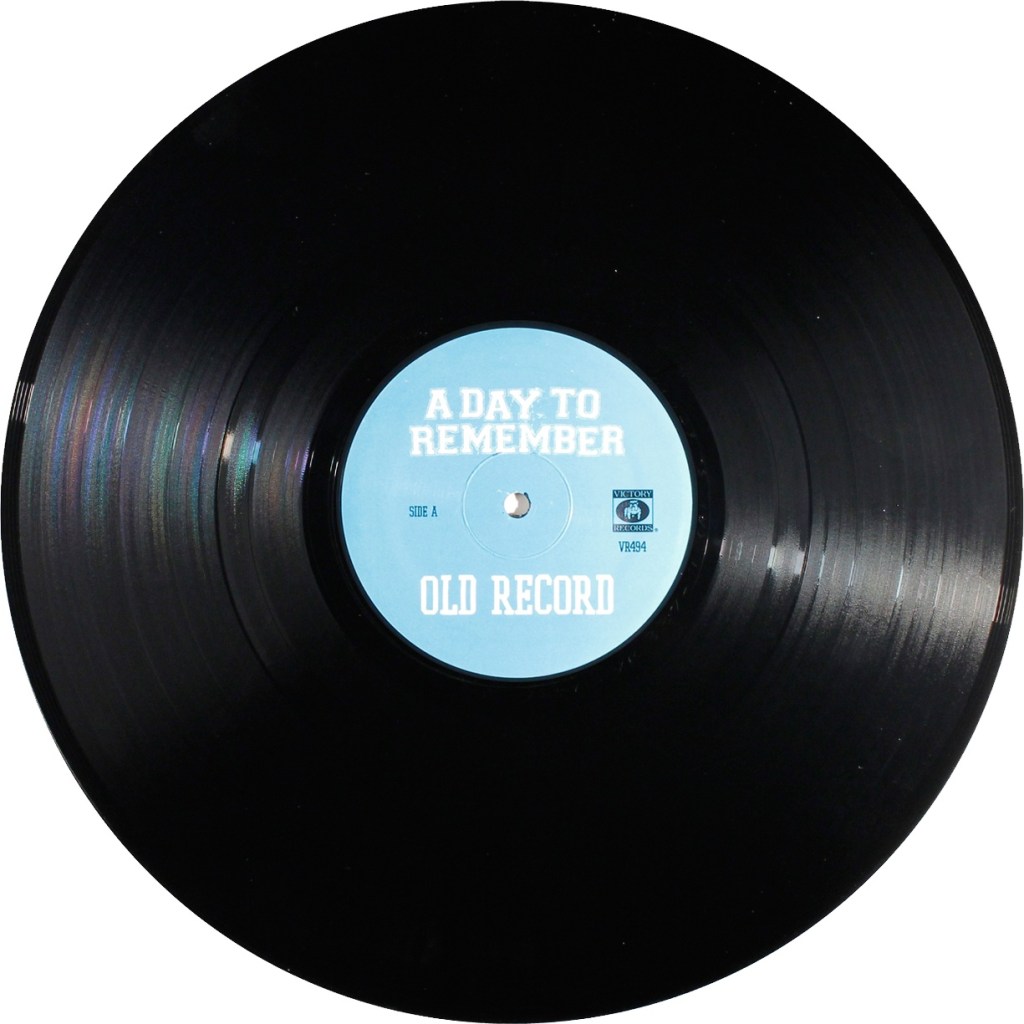
Vinyl records, once the dominant medium for music consumption, have had an enduring legacy in the music industry. They are a symbol of nostalgia, craftsmanship, and a unique auditory experience that digital formats often can’t replicate. But how did vinyl records come to be? Here’s a brief look at the history of these iconic objects, from their humble beginnings to their status as collectors’ items today.
The Early Beginnings: Phonographs and Shellac
The history of vinyl records starts long before the “vinyl” part even comes into play. The first recorded sounds were made possible by Thomas Edison’s invention of the phonograph in 1877. This machine used cylinders to record and play back sound, and it became the first practical way to capture audio. The first sound recordings were made on cylinders made of wax, and these were followed by flat discs.
By the early 20th century, records were being made from a material called shellac, a resin that was durable enough to withstand the process of pressing and handling. Shellac records, sometimes referred to as 78 RPM (revolutions per minute) records due to their speed, dominated the market from the 1900s to the 1950s. These records were often quite brittle and prone to cracking, but they were still immensely popular for home entertainment and the music industry.
The Birth of Vinyl Records
In the late 1940s, a new material started making its way into record production: vinyl. Vinyl, a type of plastic, was far more flexible and durable than shellac. It also allowed for records to be pressed in longer formats, meaning that albums could hold more music.
The transition to vinyl began in earnest in the late 1940s when Columbia Records released the first 33 1/3 RPM long-playing (LP) vinyl record in 1948. Unlike the 78 RPM records, which could hold only about four to five minutes of music per side, the LP records could hold up to 20 minutes per side. This revolutionized the music industry, allowing artists to create full-length albums rather than just singles.
At the same time, RCA Victor introduced the 45 RPM single in 1949, a smaller vinyl disc that became the standard for singles. These 45s were widely used for radio hits, and they offered high-quality sound and durability, giving them a considerable edge over their shellac predecessors.
The Golden Age of Vinyl
The 1950s and 1960s marked the golden age of vinyl records. Vinyl LPs and 45s became the dominant format for music consumption, and the record industry exploded with new releases. Iconic albums by legendary artists, such as The Beatles, Bob Dylan, and Elvis Presley, were pressed on vinyl and became a part of popular culture.
At the same time, the technology for playing records also improved. Turntables became more affordable and accessible, and high-fidelity (hi-fi) sound systems gained popularity among audiophiles. Vinyl became not just a medium for listening to music, but also a lifestyle and a statement of quality.
The Decline of Vinyl and the Rise of Digital Media
The 1980s brought new technologies that changed the landscape of music consumption. The compact disc (CD) was introduced in 1982 and quickly gained popularity due to its superior sound quality, convenience, and portability. As CDs became the dominant format for music, vinyl records started to decline in sales. By the late 1980s and early 1990s, vinyl was largely seen as obsolete.
In the late 1990s and early 2000s, the rise of digital music formats, such as MP3s, further pushed vinyl records into obscurity. Music consumption had shifted to digital formats, and vinyl was no longer the go-to choice for most listeners.
The Vinyl Revival
In the mid-2000s, something remarkable began to happen: vinyl started to make a comeback. Fueled by a renewed interest in analog sound, music lovers began to rediscover the unique qualities of vinyl records. Record players and turntables saw a resurgence in popularity, and new generations of collectors and audiophiles began flocking to vinyl.
Part of the appeal of vinyl is its analog sound quality. Many people argue that vinyl offers a warmer, more natural sound compared to the digital clarity of CDs or MP3s. The ritual of playing a vinyl record—carefully removing it from its sleeve, placing it on the turntable, and lowering the needle—adds a tactile, immersive quality to the listening experience that many digital formats can’t replicate.
Vinyl’s comeback was also fueled by nostalgia. Record stores that once seemed to be fading away started to thrive again, with new and used vinyl records filling their shelves. Even mainstream artists began releasing special edition vinyl pressings of their albums, tapping into the demand for both new and classic releases.
Vinyl Today: A Collector’s Market
Today, vinyl records are no longer just for music enthusiasts; they’ve become a sought-after collector’s item. Record stores, both new and secondhand, are filled with treasures, from vintage albums to limited-edition releases. Collectors seek rare pressings, colored vinyl, and special packaging that make each record unique. In fact, vinyl sales have been steadily increasing for over a decade, with 2020 seeing vinyl outsell CDs for the first time in decades in the U.S.
This resurgence in popularity has led to the opening of new pressing plants, and vinyl manufacturing has become more sophisticated, offering high-quality records with incredible sound fidelity. For audiophiles, vinyl is the ultimate way to experience music, and for collectors, it’s a tangible, meaningful connection to the past.
Conclusion
From its inception in the late 19th century to its rise in the mid-20th century and subsequent decline in the digital age, vinyl records have had a fascinating history. What started as a way to record and play sound has evolved into a symbol of quality and nostalgia, cherished by music lovers and collectors alike. Whether you’re an audiophile seeking the perfect sound or simply someone who enjoys the experience of flipping through records, vinyl’s unique charm continues to captivate. Its revival shows that, sometimes, the old ways are worth revisiting.
*Disclaimer: All previous articles have been auto generated with AI due to lack of staffing. If you are interested in a job opportunity as a writer for Tito’s Trinkets and/or want to help improve the accuracy of our articles please inquire to tito@titostrinkets.com or leave a comment on the article. We try our very best to vet our articles for accuracy and strive to have successful SEO campaigns.
 Tito's Trinkets
Leave a comment