

Art is often described as a universal language, transcending spoken words and geographical borders to convey emotion, history, and identity. Throughout history, artistic expression has served as a bridge between cultures, fostering understanding and inspiring innovation. From ancient trade routes to the digital era, art has continuously shaped and reflected human civilization, uniting people through shared creativity.
Ancient Cross-Cultural Influences in Art
Cultural exchange through art is as old as civilization itself. The Silk Road, which connected China, the Middle East, and Europe, facilitated not only trade but also artistic ideas. Chinese porcelain techniques influenced Persian pottery, while Persian miniature painting inspired Italian Renaissance artists. In India, the Gandhara sculptures, blending Hellenistic and Buddhist art, emerged from interactions between Greek and South Asian cultures after Alexander the Great’s conquests.
Similarly, African art influenced European movements long before it was formally recognized. The Kingdom of Ife in Nigeria produced stunning bronze and terracotta sculptures, which later inspired modernist artists like Pablo Picasso and Henri Matisse in the early 20th century. These artistic exchanges highlight how creativity flourishes when cultures intersect.
Art as a Tool for Social Change and Revolution
Art has long been used to challenge oppression and advocate for change. Mexican muralists like Diego Rivera and José Clemente Orozco used large-scale frescoes to depict social struggles and indigenous heritage, influencing global movements in political art. In the United States, the Harlem Renaissance of the 1920s provided Black artists like Aaron Douglas and Augusta Savage a platform to challenge racial stereotypes and celebrate African American culture through visual and literary arts.
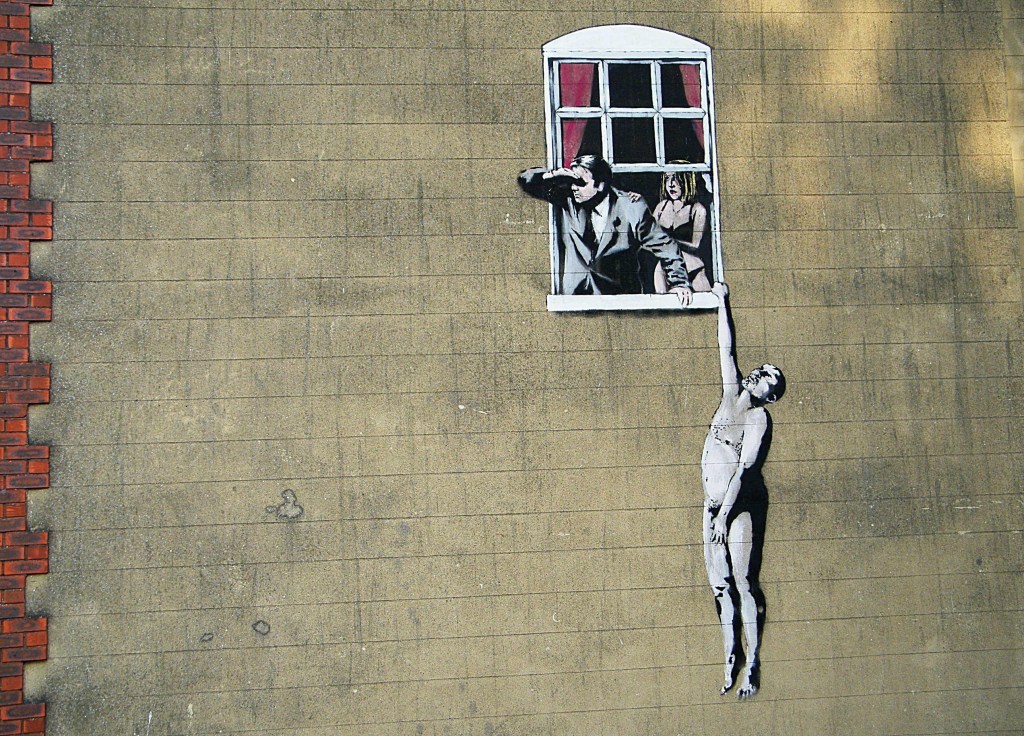
More recently, street art has become a global medium for activism. Banksy’s politically charged murals, the feminist Guerrilla Girls’ bold critiques of gender bias in the art world, and Ai Weiwei’s conceptual installations addressing human rights abuses illustrate how art continues to be a powerful tool for change. The rise of digital activism allows artists to reach worldwide audiences instantly, reinforcing the role of art in social movements.
Art’s Role in Preserving and Revitalizing Cultural Identity
Beyond political movements, art serves as a guardian of cultural heritage. In Aboriginal Australian communities, dot painting is not just an art form but a method of storytelling, preserving Dreamtime narratives passed down for thousands of years. Similarly, Native American artists incorporate traditional motifs into contemporary works to maintain and honor their ancestral legacies.
Colonization and globalization have threatened many indigenous art forms, but modern initiatives seek to revive them. For example, the Hawaiian Renaissance movement of the 1970s reignited interest in traditional Hawaiian arts like kapa-making (bark cloth) and hula, emphasizing cultural pride and self-determination. These efforts demonstrate how art not only preserves history but also strengthens cultural identity in the present.
The Digital Age: A New Era of Global Artistic Collaboration
The internet has transformed art into a truly global phenomenon, allowing artists from different backgrounds to collaborate without borders. Platforms like Instagram, Behance, and DeviantArt enable creatives to share work instantly, fostering cross-cultural inspiration. Virtual reality (VR) and augmented reality (AR) have further expanded artistic possibilities, allowing immersive experiences that bring diverse cultural stories to life.
Digital tools also help preserve endangered art forms. AI-driven restoration projects, like Google’s Art & Culture initiative, digitally reconstruct damaged masterpieces and historical artifacts, ensuring their accessibility for future generations. Meanwhile, blockchain technology and NFTs (non-fungible tokens) have opened new avenues for artists to monetize and distribute their work without traditional gatekeepers.
Conclusion: Art as a Timeless Connector
From ancient murals to digital installations, art remains a universal force that transcends borders, languages, and generations. It connects people by fostering empathy, celebrating diversity, and preserving cultural heritage. As technology continues to evolve, so too will the ways in which we create, share, and experience art. Yet, at its core, art will always serve the same purpose it has since humanity first painted on cave walls: to communicate, to express, and to unite.
*Disclaimer: All previous articles have been auto generated with AI due to lack of staffing. If you are interested in a job opportunity as a writer for Tito’s Trinkets and/or want to help improve the accuracy of our articles please inquire to tito@titostrinkets.com or leave a comment on the article. We try our very best to vet our articles for accuracy and strive to have successful SEO campaigns.
 Tito's Trinkets