


Music and technology have always evolved together, shaping how sounds are created, recorded, and experienced. From the earliest instruments carved from natural materials to today’s AI-generated compositions, technological advancements have continually expanded the boundaries of musical expression. As new tools emerge, musicians explore fresh sounds, redefine genres, and reach global audiences like never before.
Historical Technological Advances in Music
Throughout history, innovations in technology have transformed music. The development of the piano in the 18th century provided composers like Beethoven and Mozart with a dynamic instrument capable of expressing a wide range of emotions. The invention of the phonograph in the late 19th century revolutionized music consumption, allowing people to listen to recordings instead of solely experiencing live performances.
In the 20th century, electric amplification enabled new genres like rock and jazz to flourish, while the advent of synthesizers introduced electronic music. Artists such as Kraftwerk and Jean-Michel Jarre pioneered the use of synthesizers, leading to the rise of electronic dance music (EDM) and other experimental genres.
The Rise of Digital Music Production
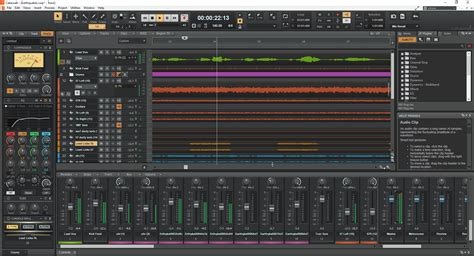
The digital revolution of the late 20th century transformed how music is created and produced. Digital Audio Workstations (DAWs) like Ableton Live, Logic Pro, and FL Studio allow musicians to compose, record, and edit music entirely on a computer. Sampling and MIDI technology have given rise to beat-making and electronic production, enabling artists to craft innovative sounds.
Meanwhile, auto-tune and pitch correction tools have changed vocal production, with artists like T-Pain and Cher popularizing their use as an artistic effect. These digital tools have blurred the lines between human performance and technological manipulation, expanding the creative possibilities for musicians.
Artificial Intelligence and Generative Music
AI-generated music is one of the most recent and controversial developments in the industry. Algorithms like OpenAI’s MuseNet and Google’s Magenta can compose melodies and harmonies based on vast datasets of existing music. AI-generated compositions range from classical symphonies to pop and jazz tracks, challenging traditional notions of authorship and creativity.
Some musicians embrace AI as a collaborative tool rather than a replacement for human artistry. Experimental projects, such as Holly Herndon’s AI-driven album PROTO, showcase the potential for technology to complement human creativity rather than replace it. Herndon and her partner, Mat Dryhurst, developed an AI system named “Spawn,” which they describe as their “AI baby,” to assist in creating unique musical compositions.
However, the rise of AI in music has also raised ethical and legal concerns. For instance, the UK Labour government’s proposal to allow AI to use copyrighted content without prior permission has sparked opposition from prominent figures in the creative industries, including Emmy-winning composer Michael Price, who argues that AI-generated music undermines the traditional, effort-driven process of music creation.
Virtual and Augmented Reality in Music
Virtual reality (VR) and augmented reality (AR) have introduced new ways for artists and audiences to interact with music. VR concerts and holographic performances, such as those featuring avatars of Tupac Shakur or ABBA, allow fans to experience music in an entirely new dimension.
Music education has also benefited from VR and AR technologies. Apps like Yousician and Rocksmith provide interactive learning experiences, allowing users to play along with visual guides and real-time feedback. These advancements make music more accessible to aspiring musicians worldwide.
Streaming and the Future of Music Distribution
The rise of streaming services like Spotify, Apple Music, and Tidal has reshaped the music industry, providing artists with global exposure while changing the way people consume music. While streaming has made music more accessible than ever, it has also sparked debates about fair compensation for artists.
Blockchain technology and NFTs (non-fungible tokens) are emerging as potential solutions for fairer artist compensation. Musicians like Kings of Leon and Grimes have released exclusive music and digital assets via NFTs, allowing direct fan-to-artist support without industry gatekeepers.
Conclusion: A New Musical Renaissance
Just as the Renaissance was a period of artistic and scientific breakthroughs, today’s technological advancements are ushering in a new era of musical innovation. The fusion of music and technology continues to redefine how we create, experience, and share sound. As technology evolves, one thing remains certain: music will always be at the heart of human expression, shaped by the tools and innovations of its time.
*Disclaimer: All previous articles have been auto generated with AI due to lack of staffing. If you are interested in a job opportunity as a writer for Tito’s Trinkets and/or want to help improve the accuracy of our articles please inquire to tito@titostrinkets.com or leave a comment on the article. We try our very best to vet our articles for accuracy and strive to have successful SEO campaigns.
 Tito's Trinkets