

From Cave Walls to Digital Canvases: The Evolution of Artistic Expression
Art has continuously evolved alongside human civilization, serving as a mirror to society’s values, technologies, and innovations. From early cave paintings to the immersive worlds of digital and AI-generated art, artistic expression remains a vital force in shaping culture and human experience. This exploration delves into how artistic media and themes have transformed over time, adapting to new tools and shifting perspectives.
Primitive Beginnings: The Earliest Forms of Artistic Expression
The earliest known art dates back over 64,000 years, with Neanderthal-created symbols in caves such as those in Spain’s La Pasiega and Maltravieso. Unlike the more famous Lascaux cave paintings, these works suggest that symbolic thought and creativity existed beyond Homo sapiens. Carvings on mammoth tusks, such as the famous Lion Man of Hohlenstein-Stadel, further illustrate how early humans engaged in artistic storytelling and spiritual symbolism.
Ancient Innovations: Beyond Walls and Onto Clay, Metal, and Textiles
Artistic expression in ancient civilizations extended beyond wall paintings. In Mesopotamia, the Standard of Ur, an intricately inlaid box, depicted complex narratives of war and peace. Meanwhile, the ancient Indus Valley civilization produced delicate terracotta figurines and intricate seals used for trade, reflecting artistic ingenuity beyond mere decoration. In China, early forms of calligraphy and ink painting emerged, paving the way for one of the most enduring art forms still practiced today.
The Sacred and the Secular: Artistic Shifts in the Middle Ages
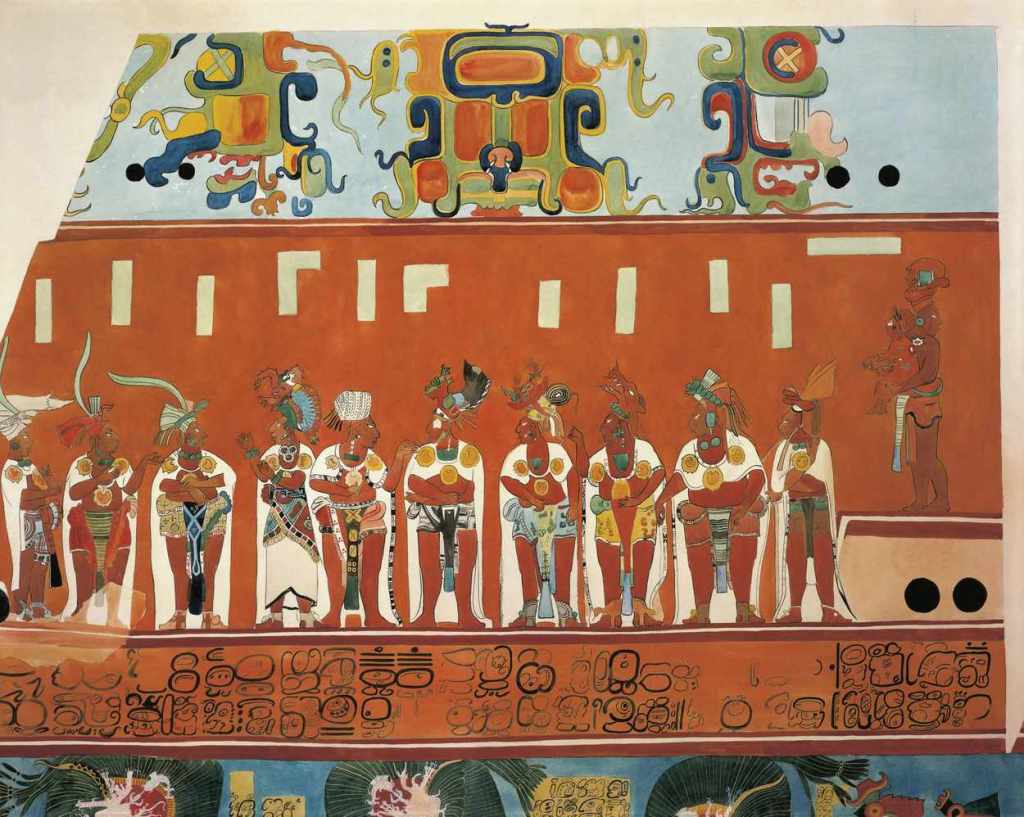
Medieval art was not limited to illuminated manuscripts and religious frescoes. In Mesoamerica, the Maya civilization produced vibrant murals, such as those at Bonampak, showcasing dynastic rituals and ceremonial dances. Meanwhile, in Japan, Emaki (painted handscrolls) like the Tale of Genji Scrolls blended literature and visual storytelling, a tradition that would influence manga centuries later. Islamic art flourished through geometric patterns, intricate tilework, and the famed Alhambra’s arabesque designs, illustrating an alternative artistic path that avoided figural representation.
The Renaissance Beyond Europe: Art Across the Globe
While the European Renaissance saw the rise of perspective and anatomical precision, artistic revolutions were also occurring elsewhere. The Benin Bronzes of West Africa displayed remarkable metal-casting techniques, depicting royal history with stunning realism. In Persia, Safavid-era miniature paintings, such as those from Shahnameh (The Book of Kings), captured epic narratives with intricate detail and vivid colors. The Ming Dynasty in China produced blue-and-white porcelain, an art form so influential that it became a major global commodity.
Industrialization and the Birth of Mass-Produced Art
The 19th century saw the expansion of art beyond elite circles as mass production enabled broader artistic accessibility. The Ukiyo-e woodblock prints of Japan, pioneered by artists like Hokusai and Hiroshige, brought artistic imagery into everyday homes and influenced Western Impressionists like Vincent van Gogh. Meanwhile, in the Americas, the Hudson River School movement captured the vast, untamed landscapes of the United States, emphasizing the sublime power of nature in a rapidly industrializing world.
The Rise of Modern Movements: Experimentation and New Voices
The 20th century saw the rise of global artistic movements that expanded beyond European traditions. Diego Rivera and the Mexican Muralists used public frescoes to depict social struggles, merging art with political activism. Indigenous Australian artists revived the ancient tradition of dot painting, using acrylics to tell ancestral stories in a modern context. In India, the Bengal School of Art, led by Abanindranath Tagore, sought to reclaim traditional techniques against colonial influences.
The Digital Era: Art Without Borders
Art has now fully embraced the digital age, with new forms such as video installations, CGI, and AI-generated pieces redefining creativity. Motion graphics and interactive media allow audiences to engage with art dynamically, as seen in teamLab’s immersive installations, where visitors can walk through ever-changing digital landscapes. NFTs (Non-Fungible Tokens) have disrupted the art world by creating verifiable ownership of digital works, raising questions about value and accessibility.
Meanwhile, social media platforms like Instagram, TikTok, and Behance have democratized artistic exposure, enabling creators from remote corners of the world to share their work instantaneously. AI tools such as Deep Dream and DALL·E have further blurred the line between human and machine-made creativity, challenging traditional notions of artistic authorship.
Conclusion: The Future of Artistic Expression
Art’s evolution reflects humanity’s endless curiosity and adaptability. While the mediums have changed—from stone carvings to AI-generated designs—the essence of art remains the same: to capture emotion, tell stories, and challenge perspectives. As new technologies emerge, one certainty remains: the creative spirit will continue to thrive, shaping and redefining our world for generations to come.
*Disclaimer: All previous articles have been auto generated with AI due to lack of staffing. If you are interested in a job opportunity as a writer for Tito’s Trinkets and/or want to help improve the accuracy of our articles please inquire to tito@titostrinkets.com or leave a comment on the article. We try our very best to vet our articles for accuracy and strive to have successful SEO campaigns.
 Tito's Trinkets