


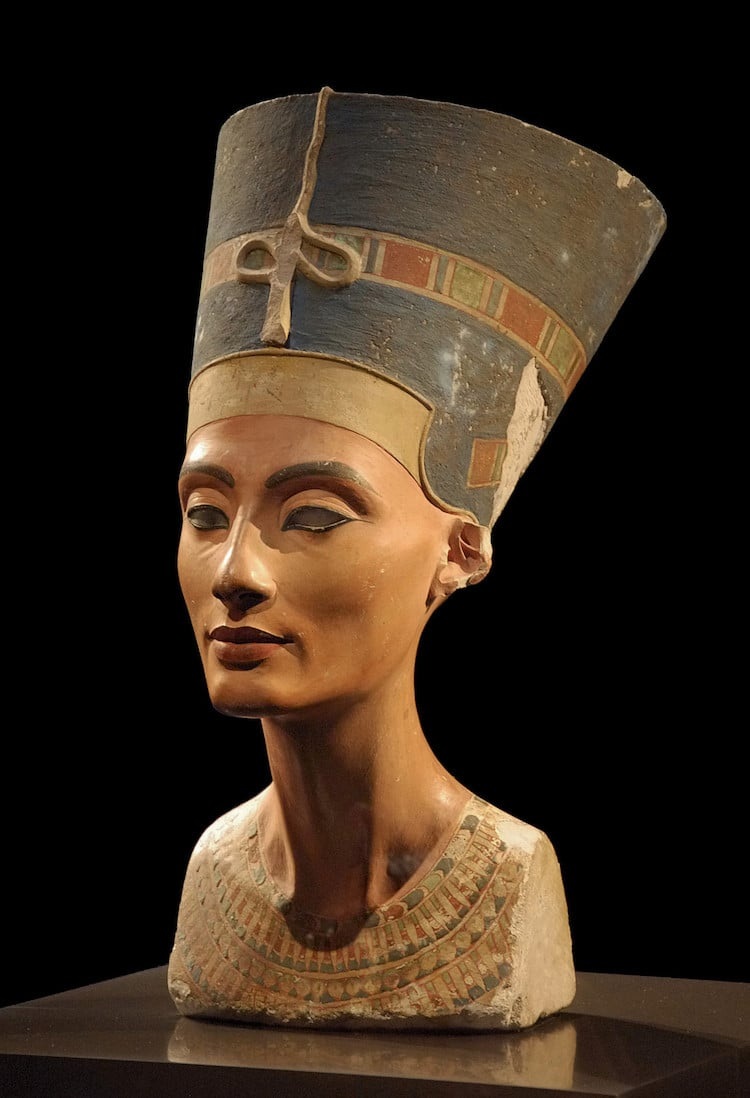
Sculpture is one of the most enduring forms of artistic expression, capturing the essence of human civilization through form and structure. Whether carved from stone, cast in metal, or molded from clay, sculptures stand as testaments to history, culture, and creativity. From the grandeur of ancient statues to the abstract innovations of modern art, this three-dimensional medium continues to inspire and captivate audiences worldwide.
A Journey Through the History of Sculpture
Sculpture has played a crucial role in human culture since prehistoric times. Early civilizations, such as the Mesopotamians and Egyptians, used sculptures to depict deities, rulers, and myths. The Great Sphinx of Giza and the statues of Ramses II serve as powerful examples of how art was intertwined with religion and governance.
The Greeks and Romans elevated sculpture to new heights, emphasizing realism and idealized beauty. Classical masterpieces like Michelangelo’s David and the Venus de Milo exemplify the Renaissance revival of these artistic traditions, where artists sought to capture the intricacies of the human form with unparalleled precision.
In contrast, the 19th and 20th centuries saw the emergence of modernist and abstract sculptures, pioneered by artists such as Auguste Rodin, Henry Moore, and Constantin Brâncuși. These works broke away from traditional realism, embracing new materials and conceptual approaches to explore the deeper essence of form and movement.
The Power of Public and Monumental Sculptures
Beyond museums and galleries, sculptures hold a prominent place in public spaces, shaping the identity of cities and commemorating historical events. The Statue of Liberty stands as a symbol of freedom and democracy, while Mount Rushmore immortalizes four U.S. presidents in stone. Across the globe, countless memorials, from the Vietnam Veterans Memorial in Washington, D.C., to the Terracotta Army in China, serve as poignant reminders of history and sacrifice.
Public sculptures also bring art into everyday life, transforming urban landscapes into cultural hubs. Street installations, such as Anish Kapoor’s Cloud Gate in Chicago, engage the public by merging art with interactivity, allowing viewers to see themselves reflected in artistic works.
Contemporary Innovations in Sculpture
With advancements in technology and materials, contemporary sculptors are pushing the boundaries of their craft. Artists now incorporate metal alloys, glass, recycled materials, and even digital elements into their work. 3D printing has also revolutionized sculpture, enabling intricate designs that were once impossible to create by hand.
Conceptual and environmental sculptures have gained popularity, with artists addressing themes such as climate change and social justice. Figures like Ai Weiwei use sculpture as a platform for political activism, making bold statements about freedom and human rights.
Sculpture as a Timeless Art Form
Despite centuries of change, sculpture remains a vital form of artistic expression. It preserves history, challenges perspectives, and connects people across time and cultures. Whether standing as a towering monument or a delicate figurine, each sculpture tells a story, capturing the essence of humanity in a tangible, lasting form.
As new generations of artists continue to redefine the medium, one truth remains: sculpture is more than just an art form—it is a testament to the enduring power of creativity, shaping the world one chisel, mold, or cast at a time.
*Disclaimer: All previous articles have been auto generated with AI due to lack of staffing. If you are interested in a job opportunity as a writer for Tito’s Trinkets and/or want to help improve the accuracy of our articles please inquire to tito@titostrinkets.com or leave a comment on the article. We try our very best to vet our articles for accuracy and strive to have successful SEO campaigns.
 Tito's Trinkets